
When Speaking Up Feels Dangerous: Part 2 - The Night Everything Changed: From Criminal Case Files to a Civil Rights Lawsuit
They simply watched, the way most people do when they are trying to get their bearings in a new home. The only posting they had ever done was for a petsitter and a thank you to first responders after a hurricane. And then one night their phones lit up.
CITIZENS STORIES AND SUBMISSIONS2026
4/25/202610 min read


They had only lived in Wakulla County a short time when everything changed. They were still learning the rhythms of the place: the roads, the politics, the personalities, and the way conversations unfolded in the local Facebook groups where newcomers go to understand the community they had just joined. They did not post much. They did not argue. They did not stir anything up. They simply watched, the way most people do when they are trying to get their bearings in a new home. The only posting they had ever done was for a petsitter and a thank you to first responders after a hurricane.
And then one night their phones lit up.
A coworker messaged first. Then a neighbor. Then someone they barely knew. All sending the same screenshot, which at the time represented the full extent of their social connections in Wakulla.
At first they did not understand what they were looking at. Their names were there. Their address. Their phone number. Their voter registration card. Their voting history. Their political affiliation. All of it laid out publicly, tied to a political argument they had never joined, attributed to a persona they had never used: “Thunder Lightening.”
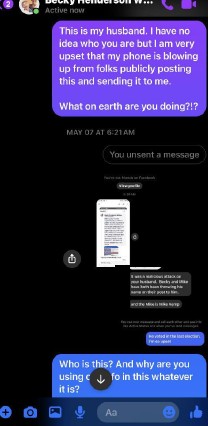
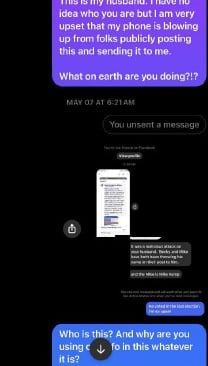
In their criminal case depositions they described the immediate aftermath.
“We were so physically scared we purchased another firearm. We added cameras to the house.”
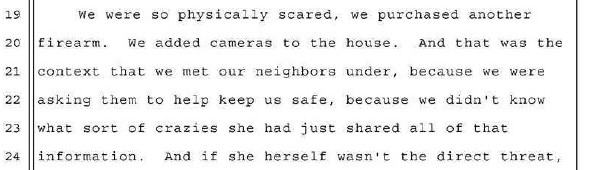
They did not know who had their information. They did not know who believed the accusation. They did not know who might come looking for them. People do unpredictable things over politics.
They had moved to Wakulla for peace, for quiet, for space, for a slower pace of life. Instead, they found themselves installing cameras, checking windows, and sleeping lightly. A locked gate found open sent them into a spiral.
The criminal investigation later documented a clear chain of events explaining how their private information traveled from a restricted political data system to a public Facebook post.
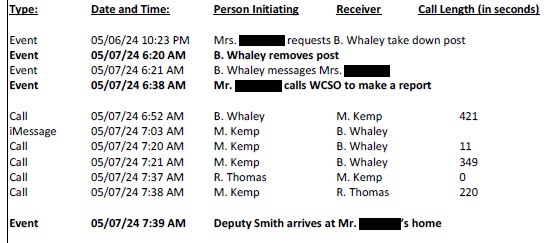
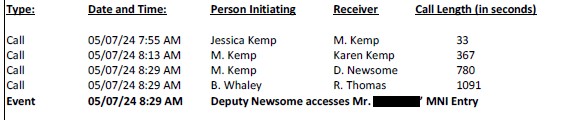
A WCSO deputy pulled the wrong internal WCSO report and gave the wrong man’s name to Former Commissioner Kemp. Kemp passed that name to Commissioner Thomas, who ran it through WebElect. Kemp then gave the WebElect data to a citizen known for publicly outing residents they believed were "misbehaving" online.
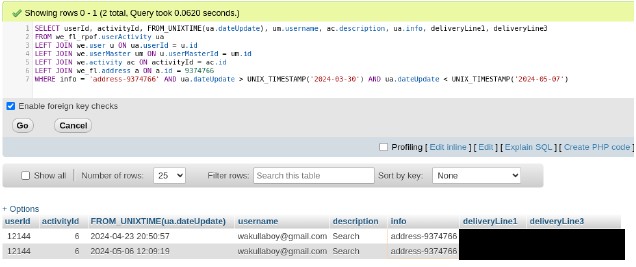
The victim testified under oath that the exact screenshot posted by the Facebook group administrator came from WebElect and was given to her by Former Commissioner Kemp. It contained his name, address, phone number, voter registration number, voting history, party affiliation, and donation amounts with a note at the bottom stating it should not be shared. The formatting matched WebElect exactly and could not have come from the Supervisor of Elections public lookup or any other public source.
If not for the WebElect document pulled by Commissioner Thomas, none of what followed would have occurred. Wakulla Reports later verified that Thomas knew Thunder Lightening’s actual identity as far back as 2023, when he addressed him directly by his first name on the Wakulla Citizens page.
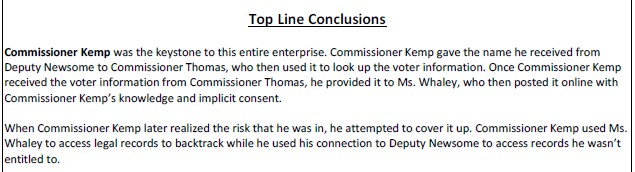
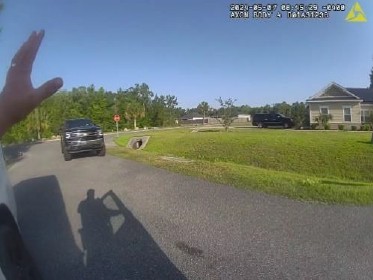
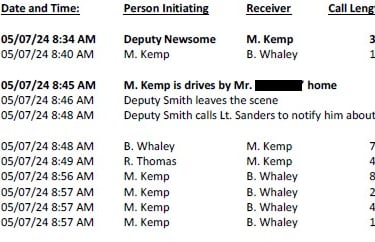
The very next morning, while the couple was filing their report with the Sheriff’s Office and Deputy Smith was still at their residence, Former Commissioner Kemp was captured on Deputy Smith’s body worn camera driving slowly past their house. The responding deputy acknowledged Kemp’s presence on camera. The couple only learned about the drive by months later, adding to their fear that the Sheriff’s Office took no steps to inform them that a suspect had passed by their home during an active report, in a cul de sac neighborhood, that is not a throughfare.
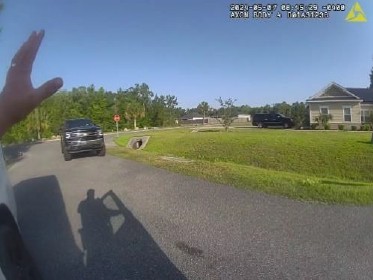
The criminal case is where they first had to relive what happened, in interviews, in statements, and in depositions. That is where their voices are already on record.
The civil case came later.
Filed on April 3, 2026, the federal civil rights lawsuit takes everything that happened in the criminal case, including the misidentification, the exposure, the chain of data, the investigative gaps, and the body cam drive by, and reframes it as a constitutional injury. It does not replace the criminal case. It builds on it. It says, in effect:
What happened to us was not just wrong. It violated our rights.
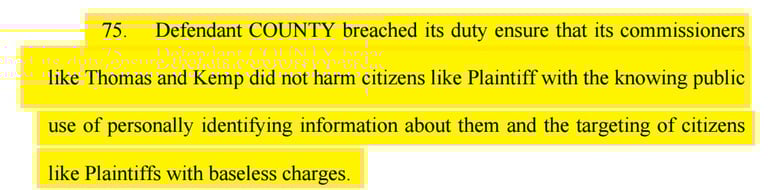
The civil complaint names Wakulla County, the Sheriff in his official capacity, a deputy, Former Commissioner Kemp, and the Facebook group administrator. It brings First Amendment retaliation claims under 42 U.S.C. § 1983 along with claims for negligence, emotional distress, and invasion of privacy.
And the emotional core of that harm is captured in their sworn criminal depositions.
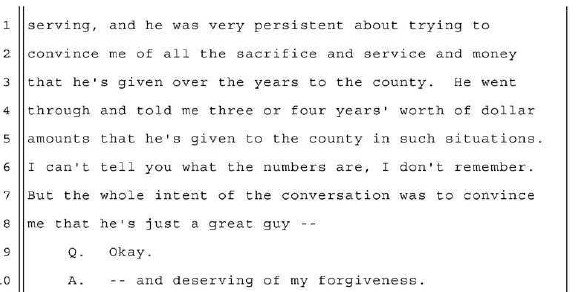
When defense counsel pressed the husband on whether Kemp’s phone call and messages constituted harassment, he answered directly.
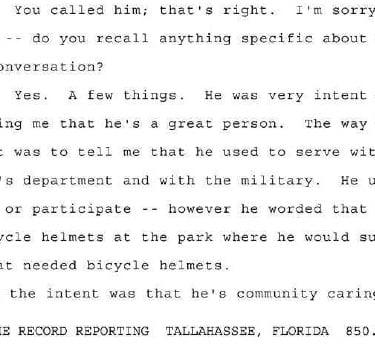
“In that phone call, instead of apologizing for what he did to me, he tried to convince me he was a great person. Yeah, I feel like what he did in that phone call was harassment.”
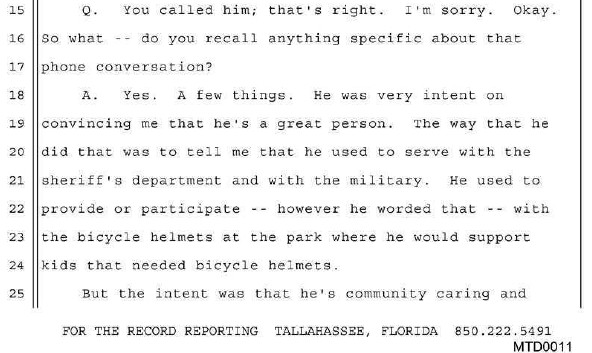
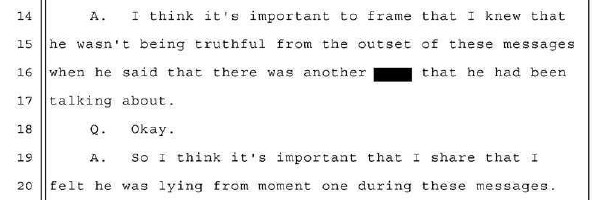
The wife was even more pointed. When Kemp’s attorney tried to downplay the messages, she shut it down with crystal clarity.
“I think it is important to frame that I knew that he was not being truthful from the outset of these messages when he said that there was another person with the same name that he had been talking about. I felt he was lying from moment one during these messages.”
She added that Kemp was “apologizing that it happened, not apologizing or owning his role in it.”
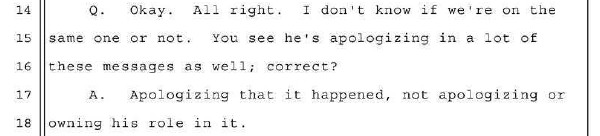
Their testimony was not angry. It was not dramatic. It was steady, the kind of steady that comes from people who have had months to sit with fear, confusion, and the realization that the people who harmed them were not strangers on the internet, but elected officials entrusted with public power.
Their privacy was not just violated. It was weaponized. Their voter card, their address, their political affiliation, their voting history, all used against them, all tied to a false identity, all posted publicly.
This is not a misunderstanding. This is harm.
The problem was never the alias. The problem was the reaction to it. Their real names and personal information were dragged into the open and tied to speech they did not write. And even if they had written it, the government has no authority to punish anyone for protected expression. What happened to them was not a dispute about identity. It was a misuse of power that treated political speech as a threat and anonymity as a justification for exposure.
Yet this couple was treated as if anonymity itself were evidence of wrongdoing, as if the mere existence of an alias justified dragging their real names, their real address, and their real voting history into the public square.
That is the constitutional danger at the heart of both cases.
Because if this can happen to a Wakulla couple, protected under Marsy’s Law in the criminal case, who never wrote the words they were punished for, it can happen to anyone. If a misidentification that began with a WebElect search can lead to a criminal investigation, a federal lawsuit, a public exposure, a body cam drive by during an active report, and a fear based withdrawal from civic participation, then the next part of the record becomes even more important to understand.
When a deputy alerts a suspect in real time that a citizen is filing a report about the very conduct the suspect helped create, and the Sheriff’s Office fails to warn the victims so they can protect themselves, it exposes a breakdown that should concern every resident of this county. When the deputy who trains others on proper database use accesses that same system off duty for a county commissioner and calls it a “policy violation at best,” it reveals a culture where the rules are optional even for the people enforcing them.
How safe is speech in Wakulla County. Why should anyone care?
You do not even have to belong to the county social media pages to be targeted. The husband did not. He never joined a single page and had not used his personal Facebook account in nearly eight years. Let that sink in. Had neighbors, acquaintances, or coworkers not notified this couple, would they have even known. What could this have escalated to?
Political views are protected under free speech in this country because they are rooted in personal values and moral code. We have fought wars over politics. People have been assassinated for openly speaking their political beliefs.
During the deposition, the attorney seemed to mock the couple for being afraid of a 65 year old woman they had never met. His questions implied their fear was ridiculous. But the reality is that the exchanges between “Thunder Lightening,” local officials, and the Facebook page administrator had been escalating for months, even years, in front of 25,000 to 30,000 members of the primary group, then shared across other groups. The couple had no idea they had been dragged into that history.
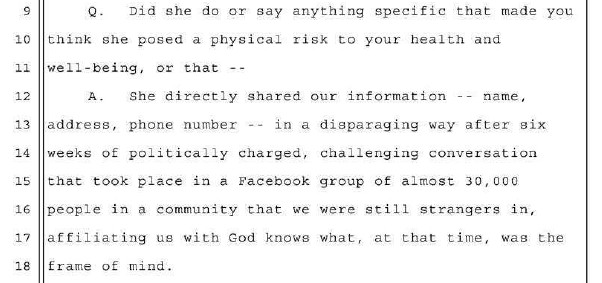
When the Sheriff’s Office is drawn into personal conflicts, it undermines the trust residents place in their institutions. That is something the community has a right to know about. We should be demanding a full external investigation. The fact that WCSO never interviewed the source of the information is alarming.
The lead Investigations Manager shared a last name with the suspect who posted the WebElect information. She later explained they were only distantly related and that she did not know him. Even so, WCSO chose not to elevate the case to FDLE, a step that would have strengthened public confidence in the investigation.
County commissioners oversee the Sheriff’s Office budget. That makes it notable that Commissioner Thomas was never interviewed, despite appearing 127 times in the investigative record and being contacted by the defendants at every stage of the situation.
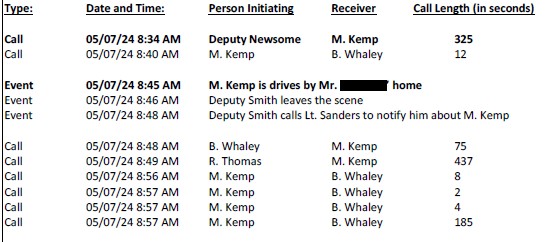
Communities function on trust. Trust that public data is handled responsibly. Trust that investigations are thorough. Trust that elected officials and law enforcement follow the same rules they enforce. When those expectations break down, the impact reaches far beyond one couple. It affects every voter, every homeowner, every parent, and every resident who relies on their government to act with integrity. This case is not only about misidentification or a Facebook post. It is about what happens when political data, law enforcement access, and personal relationships intersect without oversight. It is about whether people feel safe participating in civic life, speaking their views, or simply existing online. If this can happen to people who never wrote the words they were punished for, the question becomes what protections the rest of us can count on.
They stared at the screen, confused.
Then the confusion turned into something heavier. Something colder.
Fear.
Because none of this was theirs. Not the words. Not the argument. Not the tone. Not the identity. But the information was.
In that moment, the ground shifted beneath them. They were new to Wakulla. They did not know who had seen the post. They did not know who believed it. They did not know who might show up at their door. They did not know why this was happening. They did not know how long it had been going on.
And perhaps the most disorienting part was this: they had no idea who “Thunder Lightening” even was. They were not plugged into local political feuds. They did not know the history. They did not know the players. They did not know they had just been dropped into the center of someone else’s war.
That moment is the beginning of the criminal case.
The wife sent the page administrator a message that night around 10:00 p.m.
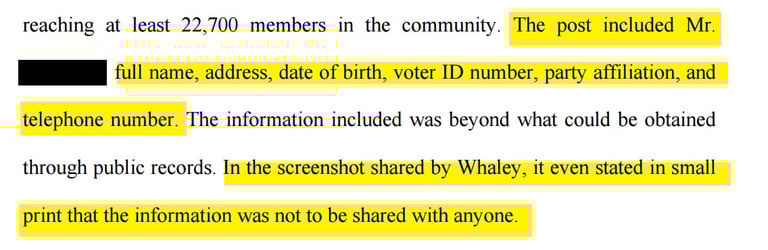
With that knowledge the question becomes: what was the purpose of providing an incorrect document to Kemp? Why was Thomas never interviewed to explain the conversation between him and Kemp, to clarify, solidify, or dispel any gaps in information?
The civil complaint documents show that this was not the only time Commissioner Thomas was informed of the real identity. According to the filing, on the morning of May 7, 2024, Thomas met in person with the actual Thunder Lightening after arranging the meeting the night before.
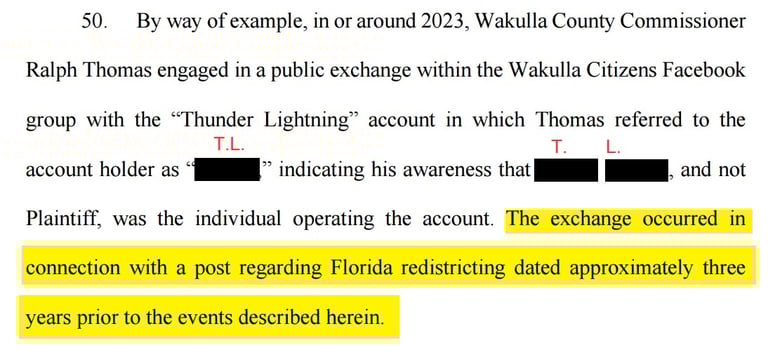
This was not a random leak. It was not a misunderstanding. It was not a glitch in a public database. It was a chain, person to person to person, and every link in that chain is documented in the criminal case file. From the actual WCSO report summary:
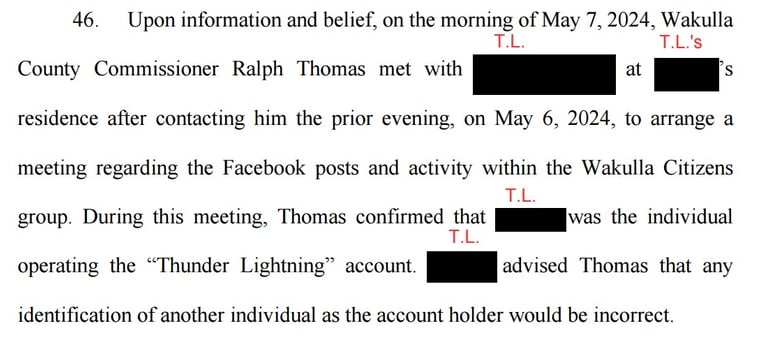
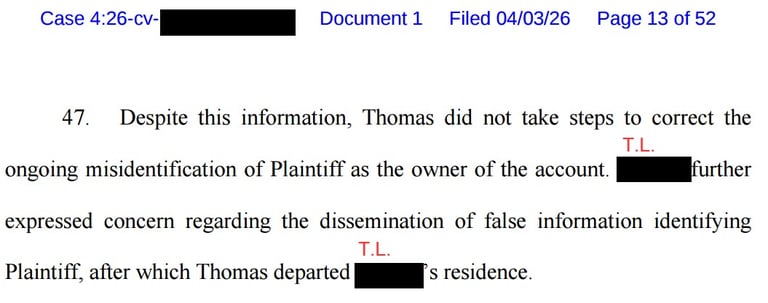
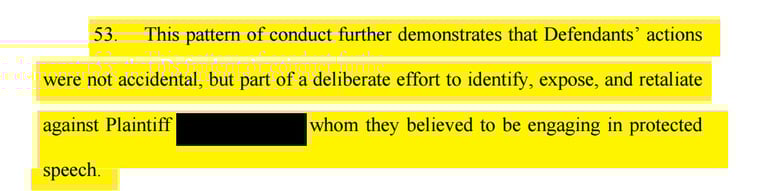
The civil complaint also describes the events as part of a coordinated pattern of conduct by individuals who believed they were responding to the speech of the “Thunder Lightening” account. According to the filing, this pattern was not accidental.
Follow Us on Social
Facebook brings you bite-sized written content, sticky-note facts, and rolling updates you can share and discuss.
NEW! TikTok You can now follow Wakulla Reports on TikTok for quick updates and BOCC video clips.
YouTube is updated less often but does still exist for historical value and for longer videos as necessary.
Prefer to browse at your own pace?
Bookmark our website and visit anytime for fresh posts, resources, and real-life examples from right here in Wakulla County.
© 2026. All rights reserved.
Sign Up for Updates!
By submitting my information below I agree to receiving emails from Wakulla Reports.