
Understanding Wakulla’s Sewer System: From Construction to Connection to Your Monthly Bill
A clear, plain English guide for residents
2026DEVELOPMENT & INFRASTRUCTUREMONEY & FINANCE
Florida Sunshine
6/4/20264 min read
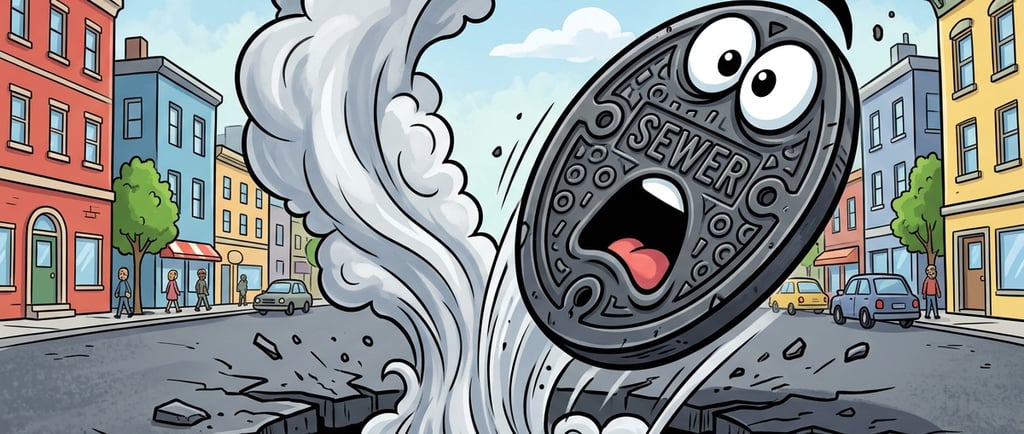

Wakulla County’s sewer system is one of the most important pieces of infrastructure we rely on. It is also one of the most misunderstood. People see their bills, hear about growth, hear about expansions, and wonder why the cost feels so high and why it seems like we pay for the system more than once. This guide explains the entire process in a straightforward way. It covers how the system is built, how connection works, how billing works, and why planning and growth matter so much for the people who pay for the service.
Everything below is based on the county’s sewer ordinance.
1. How the Sewer System Gets Built
Wakulla’s sewer infrastructure is funded through a mix of state grants, federal grants, State Revolving Fund loans, local assessments, connection fees, and tap fees. Grants help reduce the burden on local taxpayers, but they are still taxpayer dollars. They also only pay for the project as designed. They do not cover cost overruns, delays, redesigns, change orders, miscalculations, or growth that was not planned for.
The ordinance states:
“The county shall recover the costs for the implementation and continued operation of the program.”
If a project runs over budget or if growth outpaces planning, the difference does not come from Tallahassee or Washington. It comes from the people who use the system.
2. Connection: Once Sewer Is Available, You Are In
Wakulla’s ordinance requires mandatory connection unless a variance is granted. Once connected, the billing rules are clear, “Whether occupied or unoccupied, all structures once connected shall incur a monthly sewer charge equal to the base facility charge.” This means an empty home is billed, a snowbird home is billed, a rental between tenants is billed, and a home with water shut off is billed unless both water and power are disconnected. This is why many residents feel stuck with a bill even when they are not using anything.
The ordinance requires it.
3. Billing: How Your Sewer Bill Is Calculated
Wakulla does not measure sewer flow. The county uses water usage as a proxy.
Residential customers
Your sewer bill is based on your average water use in December, January, and February. “Residential rates shall be based on an average of the water usage during the months of December, January, and February.”
Winter is used because irrigation is lowest, so most water is assumed to go down the drain.
New customers
Until you have a winter average, you are billed on actual water use with a cap. “The cap shall be 150 percent of the average yearly water usage for all sewer customers.”
This is why new residents often see higher bills.
Commercial customers
They pay the greater of the minimum rate or actual metered water use.
Private well users
Even if you do not buy water from Talquin or the county but are connected to sewer: “Those utilizing private wells shall incur a monthly sewer charge equal to the base facility charge.”
4. Why Sewer Bills Feel High
Most people understand that sewer systems are expensive to run. Treatment plants, pumps, pipes, testing, staff, and environmental compliance all cost money. The ordinance requires the sewer system to operate as a self funded utility.
“The county shall recover the costs for the continued operation of the program.”
This means the system is paid for by monthly bills, connection fees, tap fees, surcharges, deposits, penalties, and liens. This part makes sense. If we use the system, we pay for the system.
Where things get complicated is when growth outpaces infrastructure. When that happens, the system becomes strained, repairs increase, expansions come sooner, emergency fixes become more common, and regulatory requirements get tighter. Because the sewer fund must stay solvent, these rising costs eventually show up in people’s bills. This is not about blaming the idea of a self-funded utility. It is about making sure the planning behind it is strong enough to protect the people who pay for it.
5. How Leadership Decisions Affect What You Pay
Residents do not expect sewer service to be free. They expect it to be well planned, well managed, and cost effective. When infrastructure does not keep up with growth, the county often has to hire outside consultants, commission expensive studies, pay for emergency repairs, accelerate expansions, or redo work that should have lasted longer.
These studies and fixes cost money. The ordinance requires those costs to be recovered through the sewer fund.
This can happen when staff does not have the skills or financial tools they need or when leadership relies heavily on outside firms. It can also happen when planning decisions prioritize convenience over long term cost or when growth approvals outpace infrastructure capacity.
None of this is about pointing fingers. It is about recognizing a simple truth. Taking the easy way out eventually costs the people more. Good planning protects ratepayers. Weak planning shifts the cost back onto them.
6. The Full Cycle
Here is the reality in plain English.
We pay to build the system. Grants are taxpayer dollars.
We pay to operate the system. Monthly sewer bills fund the utility.
We pay again when growth outpaces planning. Strain leads to repairs, expansions, and studies.
We pay again when leadership relies on outside consultants. Studies and recommendations add cost.
We pay again when emergency fixes are needed. Immediate repairs are expensive.
This is not a conspiracy. It is not mismanagement by default. It is simply the structure of the system.
And that is why transparency matters.
Final Thought
Wakulla residents are not asking for miracles. They are asking for clear information, responsible planning, infrastructure that keeps up with growth, and leadership that protects the people’s wallets. Understanding how the sewer system works is the first step toward making sure it works for the people. View the past and current rates here.
Follow Us on Social
Facebook brings you bite-sized written content, sticky-note facts, and rolling updates you can share and discuss.
NEW! TikTok You can now follow Wakulla Reports on TikTok for quick updates and BOCC video clips.
YouTube is updated less often but does still exist for historical value and for longer videos as necessary.
Prefer to browse at your own pace?
Bookmark our website and visit anytime for fresh posts, resources, and real-life examples from right here in Wakulla County.
© 2026. All rights reserved.
Sign Up for Updates!
By submitting my information below I agree to receiving emails from Wakulla Reports.